Japanese tea farmers have long understood that soil is destiny. The flavour profile of tea—whether it develops those sweet, umami-rich notes or takes on earthier, more astringent characteristics—begins not in the processing facility but in the earth where the plant grows. The volcanic regions of Japan produce some of the world's finest matcha precisely because of the unique mineral composition that volcanic soil provides. Understanding how single origin ceremonial grade matcha develops its character through terroir illuminates why specific growing regions command such respect among tea experts.
Volcanic Geology and Mineral Content
Japan's tea-growing regions are scattered across volcanic zones, particularly in Kyushu and central Honshu. These regions experience repeated volcanic activity over millennia, which creates a distinctive soil composition rich in minerals including potassium, magnesium, manganese, and trace elements that typical non-volcanic soils lack. When tea plants draw these minerals through their root systems, they absorb the chemical signature of the landscape itself. The volcanic landscape literally becomes part of the plant's chemistry.
The porosity of volcanic soil is also exceptional. Rather than compacting into dense, waterlogged clay, volcanic soil maintains excellent drainage whilst retaining sufficient moisture for plant growth. This means tea plants develop deep, healthy root systems rather than shallow, struggling ones. A plant with strong roots can extract more from the soil, concentrating flavours and producing higher amino acid levels—the compounds responsible for umami and sweetness in premium matcha. Geologists studying Japanese tea soils note that volcanic regions typically show superior water infiltration rates compared to other soil types.
Additionally, volcanic soil's composition creates ideal pH levels for tea cultivation. Most volcanic soils in Japan's tea regions sit in the pH 5.0-6.5 range—acidic enough to make certain minerals bioavailable but not so acidic that it inhibits plant growth. This narrow window of ideal conditions is one reason why tea cultivation in volcanic regions produces such consistently superior results compared to cultivation elsewhere.
How Minerals Translate to Flavour
The relationship between soil minerals and tea flavour operates through plant biochemistry. Tea plants don't simply absorb minerals passively; they respond to the mineral environment by adjusting their own chemical production. When exposed to certain mineral ratios, the plant produces elevated levels of specific amino acids and secondary metabolites that influence final flavour. This isn't metaphorical—it's measurable chemistry that any laboratory can detect and quantify.
Volcanic soil's abundance of potassium, for instance, encourages the plant to produce higher concentrations of amino acids like L-theanine, which contributes sweetness and umami. The magnesium content influences chlorophyll production, contributing to the vibrant green colour. The result is matcha that tastes distinctly different from plants grown in non-volcanic regions—less grassy, less astringent, and more complex in its sweetness. Scientists studying these differences have documented measurable variations in amino acid profiles between volcanic and non-volcanic tea plants.
Specific Japanese Volcanic Regions
Uji, located in Kyoto Prefecture, sits on volcanic bedrock that influences every plant grown there. The resulting Uji matcha is renowned for its intense sweetness and umami character. Similarly, the Nishio region in Aichi Prefecture benefits from volcanic soil that produces matcha with a particular creamy mouthfeel. These characteristics are so consistent that experienced matcha drinkers can often identify the region of origin by flavour alone.
Kyushu's volcanic regions, particularly around Fukuoka and Miyazaki prefectures, produce matcha with slightly different characteristics—often displaying more pronounced fruity or floral notes alongside the umami. This variation exists because different volcanic formations contain different mineral mixes, creating regional variation even within the volcanic tea-growing landscape. The specific combination of volcanic minerals unique to each region leaves its signature on every plant grown there.
The Role of pH and Mineral Availability
Beyond simple mineral content, volcanic soil typically has different pH levels than non-volcanic soils. This pH difference affects which minerals are available for plant roots to absorb. Acidic volcanic soils can make certain minerals more bioavailable, allowing tea plants to extract them more efficiently. Additionally, volcanic soil's porosity creates ideal conditions for root development, meaning plants have access to deeper layers of mineral-rich soil.
The drainage properties of volcanic soil also matter. By maintaining ideal moisture without becoming waterlogged, volcanic soil allows plants to develop deep, healthy root systems. Plants with strong roots can extract more minerals and more consistently, concentrating flavours across every leaf.
The Difference in the Cup
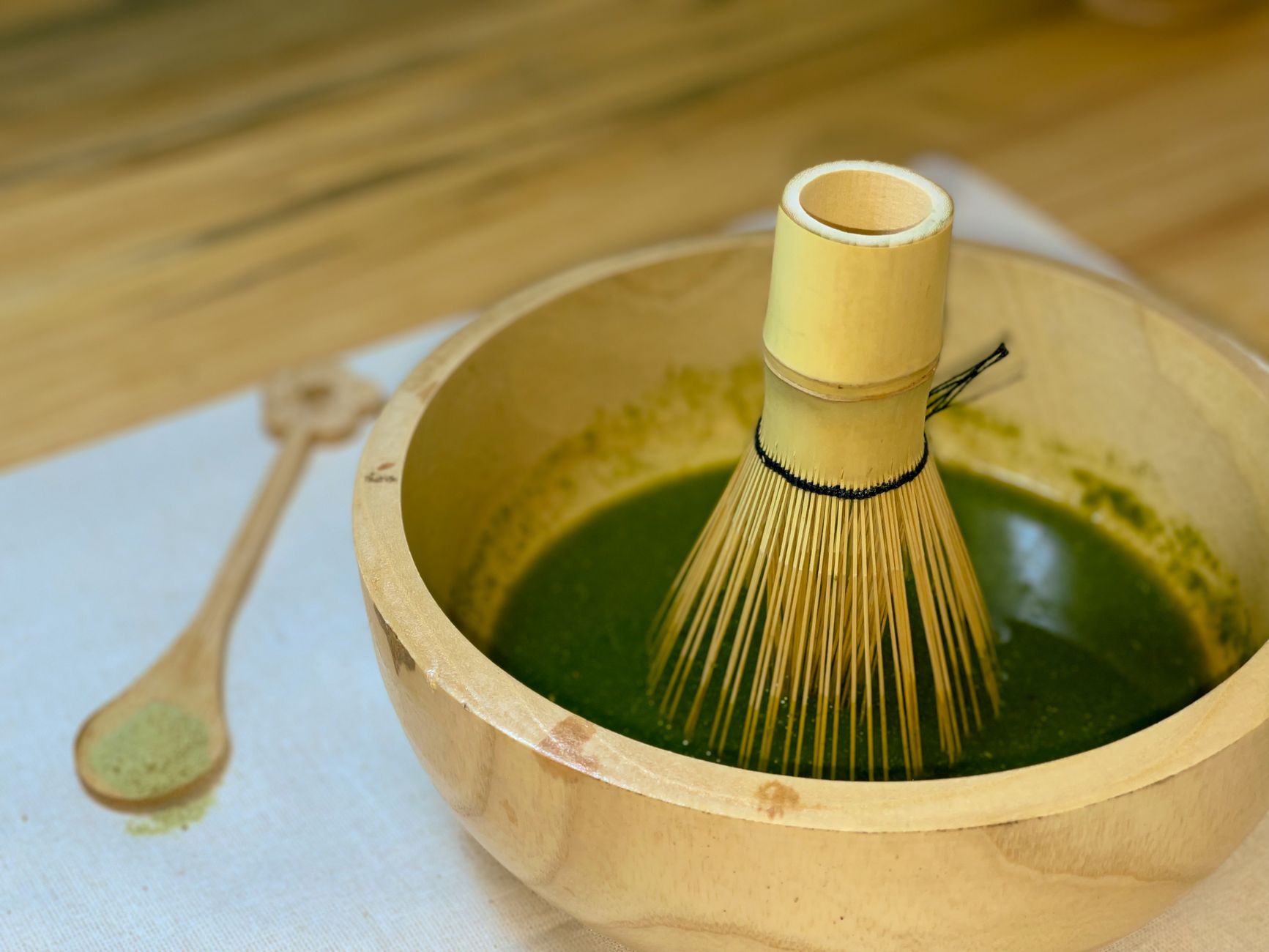
When you prepare matcha from volcanic soil versus matcha from non-volcanic regions, the differences become immediately apparent. The colour tends to be brighter and more vivid. The whisk incorporates more smoothly, creating a finer froth. Most significantly, the taste transforms. Rather than a somewhat harsh, grassy profile, volcanic-soil matcha presents layers—an initial sweetness, underlying umami, possibly subtle floral or fruity notes, and a lingering pleasant aftertaste that can last for several minutes.
This is why terroir matters. It's not marketing language or romantic nostalgia; it's an actual reflection of the plant's growing conditions translated into chemical compounds that reach your palate. Understanding that premium matcha's character begins in the soil, not the processing facility, helps you appreciate why sourcing and origin claims carry genuine weight in the matcha world. When you taste a truly exceptional matcha, you're tasting the landscape itself.